
When You’re Just Getting Through Life, Goals Feel Out of Reach
If the thought of setting goals this time of year feels like just another thing to cope with, this is for you!
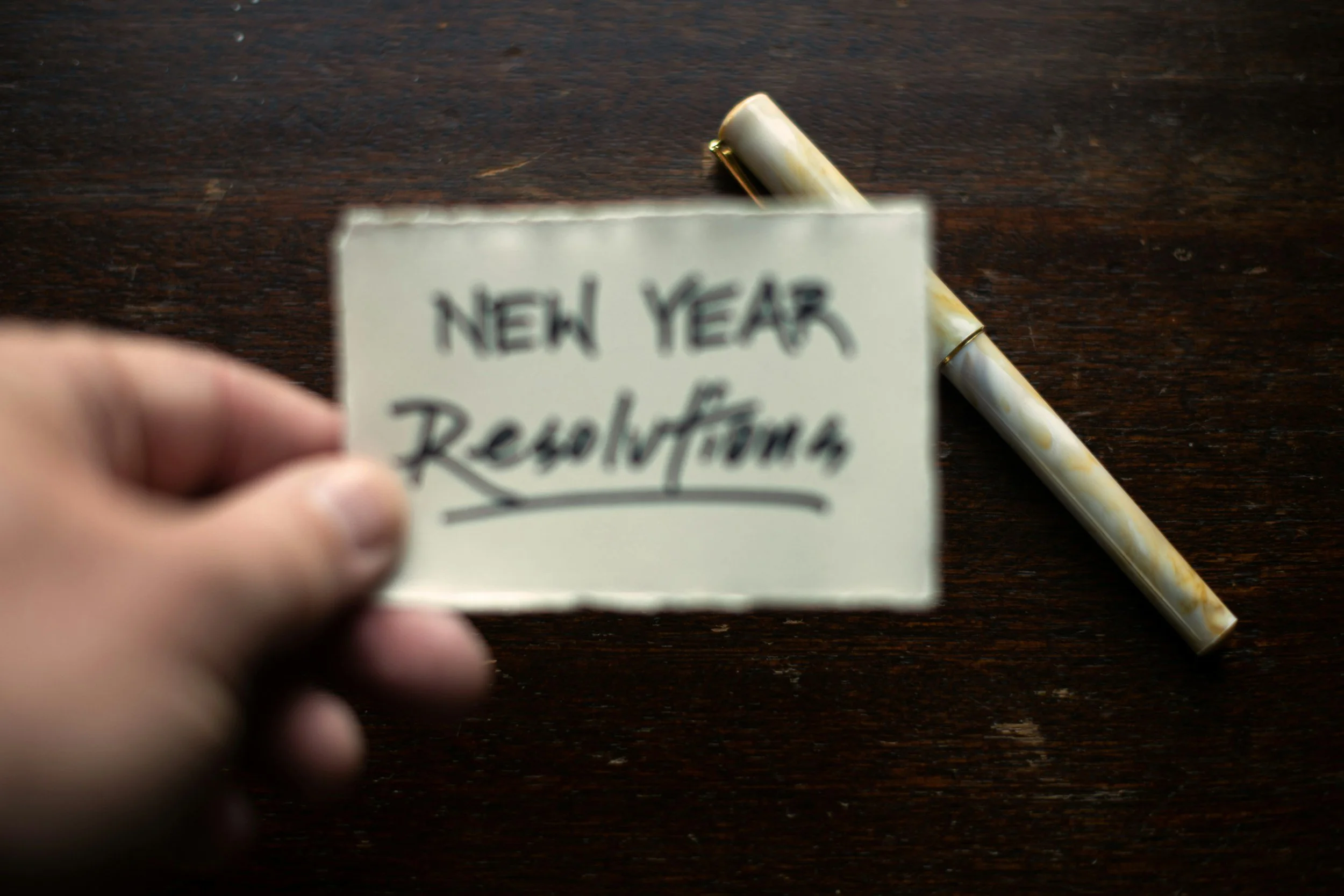
Every January, there’s this quiet pressure to think about goals. New year. Fresh start. Big plans.
But sometimes it feels impossible to think about the future at all when getting through today already takes everything you’ve got. So when someone asks, “What are your goals for 2026?” something inside you just switches off!
Not because you don’t care about the future, or don’t want things to be different. But because setting goals feels too hard and working towards them feels even harder.
If that sounds familiar, you might be in survival mode.
When You’re Just Getting Through Life
For a long time, that was me. I wasn’t really moving towards anything. I was just trudging through life. Doing what needed to be done. Being responsible. Working hard. Being capable. Proving myself — quietly, constantly. From the outside, it probably looked fine but inside, I felt tired in a way sleep simply didn’t fix.
I didn’t feel particularly unhappy. Just flat and a bit disconnected. I couldn’t have told you what I wanted, even if you’d asked. I didn’t have the headspace to think about it. At the time, I thought this was just life. Afterall, I have a busy life. I have four children, I had a demanding career. I thought everyone felt this way at this point in their lives.
The Hidden Impact of Low Self-Esteem
It took me a long time to realise that what I was experiencing was burnout caused by low self-esteem. Low self-esteem is one of those phrases we use all the time, without really stopping to think about what it actually means. Or how much impact it can have. It isn’t a diagnosis in itself. But it sits underneath so many things — anxiety, low mood, burnout, people-pleasing, avoidance.
And the tricky thing is, people with low self-esteem don’t always look like they lack confidence or ambition. Often they’re the ones who just keep going. Who get things done. Who are reliable, capable, high-functioning. The sort of person who gets asked to do everything because they can’t say no!
But underneath, there can be a constant sense of not being enough. A quiet shame. Sometimes even a dislike of yourself that’s hard to name. Looking back now, I can see how much of my life was shaped by that without me realising.
The Beliefs That Quietly Shape Our Lives
What I understand now though, both personally and through my work here at The Nest, is that at the heart of low self-esteem are the beliefs we hold about ourselves often formed long ago, that quietly shape the choices we make today.
They’re the stories we carry about who we are. Not the ones we consciously choose, but the ones we absorb early on through relationships, experiences, moments of criticism or emotional neglect, or simply growing up learning that love or approval had to be earned.
Beliefs like:
I’m not good enough.
I’m not lovable.
Once those beliefs are there, they don’t just sit quietly. They start making the decisions for you. They become rules you live by like, don’t get it wrong. Keep going, even when you’re exhausted. Be useful. Put everyone else first! And when something triggers those beliefs — a mistake, a comment, a moment of doubt — you criticise yourself, overdo it, or avoid things altogether. Afterwards comes that familiar loop: I knew it. I’m useless. I’m unlovable. It’s exhausting and it keeps you stuck.
Why Goals Feel Unsafe in Survival Mode
When your system is living like this, it’s usually stuck in threat mode. The body is on high alert. Adrenaline running. Always scanning for danger — not physical danger, but emotional danger. Getting it wrong. Letting someone down. Being judged.
There’s no easy off-switch. And in that state, even wanting things can feel unsafe. Wanting something means change. It means being seen. It means the risk of getting it wrong. So instead, you cope. You keep busy. You get through. And goal-setting starts to feel like something for other people.
Creating Space Through Cognitive Behavioural Hypnotherapy
This is why, in cognitive behavioural hypnotherapy, we start by helping the body calm down. Because when the nervous system settles, the mind has space again. Using things like breathing, relaxation, imagery and hypnosis, we strengthen the soothing system — the part of us that allows calm, connection and contentment. From there, we create space to think and notice what’s really going on. Space to see which old beliefs have been running the show all along.
Recognising which core belief you hold can be a complete game changer. Once you see it, you can start to question it rather than automatically believing it. You can pause, make different choices, and begin responding from who you are now, rather than from something that was formed a long time ago.
Many adults have lost the ability to self-soothe. As children, we instinctively knew how. As adults, we often rely on coping strategies that work short term but cost us long term. When that soothing system comes back online, something shifts. The noise quietens. Perspective returns. Choice becomes possible. Only then does it make sense to think about goals. Not goals driven by fear, or proving yourself, or trying to be “better”. But goals that actually align with who you are.
From Survival to Choosing What Matters
Once I could see that my core beliefs were making decisions for me — not my values — everything changed. I stopped asking, What should I be doing? And started asking, What actually matters to me? Now, my life looks very different.
I have more time with my children. More time to walk the dog and be in nature. More space to be a wife, not just a doer. More room to work on myself and the things that really matter. Not because life is perfect. But because I’m no longer building a life around not good enough, I now know I am good enough!
If you’ve read this and thought, yes… that’s me, I want to say this gently. Please don’t let 2026 become another year of just getting through. If you’re in survival mode, you don’t need more pressure. You need space. And the right tools. This time next year, things really could feel very different. Calmer. Clearer. More aligned. And it doesn’t start with pushing harder.
It starts with settling your system, understanding what’s been driving you, and then choosing your direction — in a way that feels possible.
Rachel x
The Nest Hypnotherapy